Counsellors who work with forgiveness
2,153 counsellors list forgiveness on their profile. This list shows 576 of them; use the A to Z for everyone. A listing is not a recommendation; read each profile and check their professional body register.
This page lists counsellors who specialise in forgiveness and related relational work. Each profile summarises approaches, registration and languages to help you browse the listings below.
-

Andy Green
BACP. Stress, Anxiety, Relationship, Grief
-

Michele Kavanagh
BACP. Stress, Anxiety, Self esteem, Depression
-

David Dunlevy
BACP. Stress, Anxiety, Addictions, Family
-

Tessa Adri-Soejoko
BACP. Stress, Anxiety, Self esteem, Depression
-

Rebecca Garside
NCPS. LGBT, Relationship, Family
-

Simon Davies
BACP. Stress, Anxiety, Trauma and abuse, Grief
-

Jennifer Mcpherson (Norman)
BACP. Relationship, Family, Trauma and abuse
-

Louise Gillies
BACP. Grief, Parenting, Self esteem
-

Wendy Russell
BACP, NCPS. Stress, Anxiety, Relationship, Depression
-

Marco Schilling
BACP. Family, Grief, Career
-

Kerrie McCabe
BACP. Stress, Anxiety, Addictions, Self esteem
-

Dagmar Spencer
BACP. Stress, Anxiety, Trauma and abuse, Self esteem
-
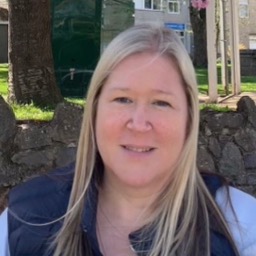
Stephanie Boosey
NCPS. Stress, Anxiety, Trauma and abuse, Grief
-

Julie Biggs
BACP. Stress, Anxiety, Addictions, Trauma and abuse
-

Zoe Powell Martin
BACP. Stress, Anxiety, LGBT, Self esteem
-

Shelly Thomas-Baines
NCPS. Stress, Anxiety, Trauma and abuse, Grief
-

Kerry Rudman
NCPS. Stress, Anxiety, Family, Grief
-

Kelly Greenwood
BACP. Stress, Anxiety, Addictions, Trauma and abuse
-

Barbara Cross
NCPS. Stress, Anxiety, Trauma and abuse, Self esteem
-

Michelle Banfield-Curran
BACP, NCPS. Stress, Anxiety, Relationship, Trauma and abuse
-

Dean Gaylard
NCPS. Stress, Anxiety, Self esteem, Depression
-

Andrew Merz
BACP. Stress, Anxiety, Grief, Self esteem
-

Charm Tinn
BACP. Stress, Anxiety, Trauma and abuse, Eating
-

Ylenia Ceccarelli
NCPS. Stress, Anxiety, Relationship, Intimacy-related issues
-

Bridget Donkin
BACP. Stress, Anxiety, Relationship, Family
-

Kirsten Cook
BACP. Stress, Anxiety, Depression, Addictions
-

Mohammed Dualeh
BACP. Stress, Anxiety, Addictions, Relationship
-

Nicola Kassam
BACP. Stress, Anxiety, Family, Grief
-

Nicola Ellis
BACP. Stress, Anxiety, Trauma and abuse, Self esteem
-

David Francis
BACP. Stress, Anxiety, Relationship, Self esteem
-

Sarah Marlow-Rawles
BACP. Stress, Anxiety, Relationship, Parenting
-

Jodie Bament
BACP. Stress, Anxiety, Grief, Self esteem
-

Regina Riley
BACP. Stress, Anxiety, Addictions, Relationship
-

Sharon Facey
BACP. Stress, Anxiety, Trauma and abuse, Intimacy-related issues
-

Sonia Roberts
BACP. Stress, Anxiety, Family, Parenting
-

Jason Constant
BACP. Stress, Anxiety, Addictions, LGBT
-

Ceri Parry
BACP. Stress, Anxiety, Addictions, Trauma and abuse
-

Wendy Mason
NCPS. Stress, Anxiety, Relationship, Family
-

Ann-Marie Ritchie
BACP. Stress, Anxiety, Relationship, Family
-

Emma Wheeler
BACP. Stress, Anxiety, Grief, Self esteem
-

Nels Rodwell
NCPS. Stress, Anxiety, Relationship, Trauma and abuse
-

Barbara Anzalone
BACP. Stress, Anxiety, Relationship, Trauma and abuse
-

John Goodrick
BACP. Stress, Anxiety, Addictions, Anger
-

James Landy
BACP. Stress, Anxiety, Intimacy-related issues, Self esteem
-

Sharon Strickland
BACP. Stress, Anxiety, Self esteem, Depression
-

Jessica Farley
BACP. Stress, Anxiety, Trauma and abuse, Grief
-

Beatriz Zanichelli Sonego
BACP. Stress, Anxiety, LGBT, Relationship
-

Zhanna Murphy
NCPS. Stress, Anxiety, Relationship, Self esteem
Understanding forgiveness and how it affects people
Forgiveness is often described as a process rather than a single action. For some people it means letting go of ongoing anger or resentment toward someone who has harmed them. For others it involves re-evaluating what happened and finding a way to move forward without necessarily restoring the previous relationship. The emotional landscape around forgiveness can include relief, sadness, confusion and a sense of loss. It is also shaped by cultural, moral and personal beliefs about responsibility, apology and justice.
You may find that forgiveness impacts many parts of life. It can influence your relationships, sleep, concentration and general mood. Some people discover that the attempt to forgive creates unexpected feelings - such as guilt about wanting to forgive, or fear that forgiveness means excusing bad behaviour. Others experience relief and a renewed capacity to engage socially. Because forgiveness interacts with memory, identity and values, it can be helpful to explore it with a counsellor who understands the emotional complexity rather than seeing it as a simple moral decision.
Signs you might benefit from therapy focused on forgiveness
If you feel stuck in anger or ruminations about a past hurt, therapy may offer a way to examine what is keeping you tied to that experience. Persistent nightmares, intrusive memories, or a recurring pattern of mistrust with other people can signal that unresolved hurts are shaping your daily life. You might notice avoidance - for example steering clear of reminders of the person who caused harm - or attempt to suppress emotions that resurface unexpectedly. These responses are not signs of weakness; they are indications that the hurt continues to have an impact and that structured support could help.
Therapy can be useful when you are unsure about what forgiveness would mean for you, or when family and cultural expectations complicate the process. If you find yourself flip-flopping between wanting to let go and wanting reparation, a counsellor can help you weigh those needs without pressuring you toward any particular outcome. You may also seek counselling after an apology feels inadequate or when you need to understand how a breach of trust has affected your sense of self. In short, if the emotional fallout from a hurtful event keeps recurring in your thoughts, relationships or decisions, it is reasonable to look for targeted support.
What to expect in therapy sessions for forgiveness
In therapy you can expect a process that is paced to your needs and informed by your values. Early sessions often focus on establishing a trusting therapeutic relationship and clarifying what forgiveness would mean for you. Your counsellor will explore the history of the hurt, how it has affected your life, and what you hope to achieve through therapy. This stage is also an opportunity to discuss practical matters such as session length, fees and professional registration - for example whether a counsellor is registered with BACP, HCPC or another recognised body - so you know what standards of practice apply.
As work proceeds, sessions commonly involve examining emotions connected to the event and its aftermath. You may be invited to explore the story you tell yourself about what happened, identify patterns in your responses, and practice ways of tolerating difficult emotions without acting on them impulsively. Therapy may also include exercises to build assertive communication, boundary-setting and self-compassion. Some people work on reconciling with others where safe and appropriate, while others focus on internal shifts such as reducing rumination and reclaiming a sense of personal agency. The pace and content will vary according to your goals and what feels manageable.
Common therapeutic approaches used for forgiveness work
There is no single method for working on forgiveness, and many counsellors draw on several influences to match your needs. Some counsellors use narrative techniques to help you reframe the story of what happened and examine how it shapes your identity. Others use emotion-focused work to access, regulate and make meaning of strong feelings that accompany the hurt. Cognitive approaches often explore the beliefs and interpretations that sustain anger or self-blame, with the aim of creating more flexible thinking about the event and its consequences.
In addition, some therapists describe using experiential methods that involve role play, imagery or letter-writing to express what has been difficult to say. There are practitioners who list approaches such as EMDR, psychodynamic work, humanistic methods or compassion-based practices among their modalities; this indicates the approaches they draw on rather than a guarantee of specific qualifications in any single method. When reading profiles, notice how each counsellor explains their way of working so you can gauge whether their style matches what you feel would help.
How online therapy works for forgiveness and tips for choosing the right counsellor
How online therapy can support forgiveness work
Online counselling offers a flexible way to engage with forgiveness work from your home or another comfortable environment. Sessions are commonly held by video or telephone, and some counsellors provide email or messaging options for between-session reflection. The practical benefits include reduced travel time and the ability to access counsellors who practise in different parts of the UK. Online work can be especially useful when memories or emotions make it difficult to attend in-person appointments, or when you prefer to manage sensitive disclosure from a familiar setting.
Effective online therapy still relies on a consistent therapeutic relationship and clear boundaries. You can expect your counsellor to discuss practical measures for safety, information-sharing boundaries of records and what to do if intense emotions arise between sessions. If you prefer face-to-face meetings there are counsellors who offer both formats; profiles usually indicate the session types offered so you can see how a practitioner structures their work. Remember that the format does not change the need for professional registration and ethical practice.
Choosing the right counsellor for forgiveness work
Choosing a counsellor involves both practical and personal considerations. Think about whether you would like a counsellor who frames forgiveness within relational repair, inner healing, values work or trauma-informed care. Read profile descriptions to see which therapeutic approaches a counsellor lists and how they describe their experience working with hurt and reconciliation. Pay attention to registration and professional memberships such as BACP or HCPC as markers that the counsellor follows recognised professional standards in the UK.
Language, cultural background and experience with specific life situations can also matter. If you want someone who understands the cultural context of your experience, look for counsellors who note that perspective in their profile. Consider whether you prefer a counsellor who uses more directive techniques or one who takes a reflective, client-led approach. Finally, trust your instincts about how a profile reads; the written description often gives a good sense of tone and emphasis. You can use the listings to narrow choices and then make contact to ask brief, practical questions about approach, session format and what you can expect in the early stages of work.
Working on forgiveness is a personal journey and there is no single timetable for change. Whether you seek to rebuild a relationship, let go of recurring anger, or find a new sense of peace after harm, counselling can offer space to explore those aims in a structured and respectful way. Use the listings above to compare counsellors, read their descriptions and consider who aligns with your needs and values.